Scientists Break Antibiotic Resistance in CF Lung Bacteria - A Major Step for Lung Disease
A study published in April 2026 discovered how to disable both individual antibiotic resistance and cross-protection between bacteria in CF patients' lungs, making previously untreatable infections vulnerable again.
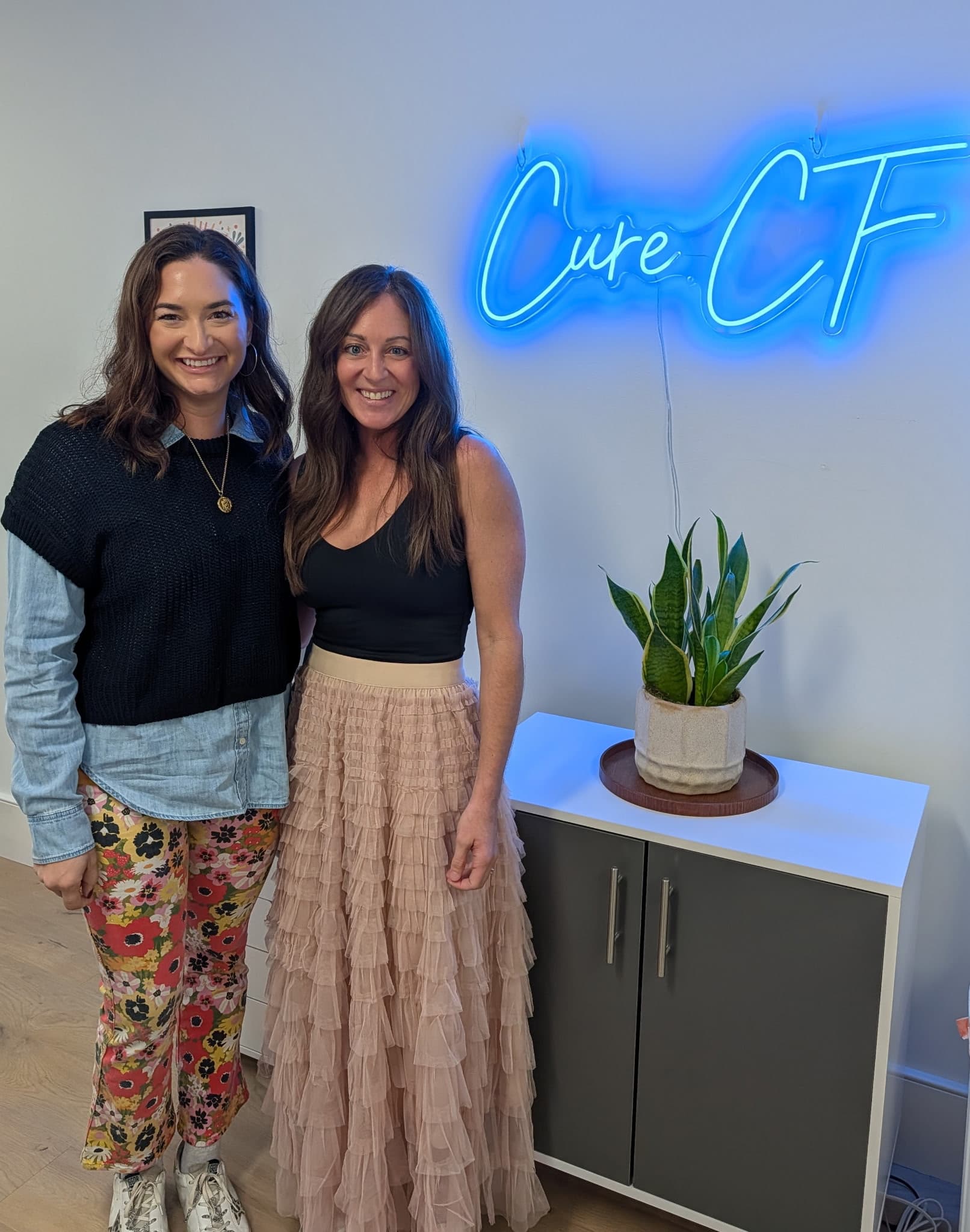
Contributing Writer, CF Bites Foundation · April 10, 2026
Cystic fibrosis is primarily understood as a lung disease - but the mechanism causing most CF-related lung damage is not the CFTR mutation directly. It is infection. The thick, sticky mucus produced in CF lungs creates a perfect environment for bacteria to colonize and thrive. Over time, those bacteria become resistant to antibiotics, forming persistent infections that progressively destroy lung tissue.
This is why a study published in April 2026 - describing a newly discovered mechanism to break antibiotic resistance in CF lung bacteria - deserves serious attention. It doesn't just address a symptom. It addresses one of the most dangerous and intractable features of CF progression.
The Problem: Antibiotic Resistance and Cross-Protection
When CF patients develop chronic lung infections - commonly caused by bacteria like Pseudomonas aeruginosa and Achromobacter - the bacteria adapt over time to resist the antibiotics used to treat them. Standard antibiotic resistance is a well-known challenge. But the 2026 research identified something more specific and more targetable: a mechanism called cross-protection, where one species of bacteria can share its resistance with another, defending both from antibiotics neither could resist alone.
This cross-protection makes polymicrobial infections - infections involving multiple bacterial species, which are common in CF lungs - far harder to treat than the sum of their individual resistances would suggest.
The Breakthrough: Disabling Both Resistances at Once
The research team discovered that by targeting a specific shared defense mechanism, they could disable both the individual antibiotic resistance of a bacterium and its capacity to engage in cross-protection - simultaneously. When this mechanism was blocked in lab models, bacteria that had previously been impervious to antibiotics became vulnerable again.
The researchers described it as "breaking a shared defense" - and that framing is apt. Rather than developing a new antibiotic, which bacteria can eventually adapt to resist, this approach targets the resistance infrastructure itself. It is a fundamentally different strategy for an old problem.
What This Could Mean for CF Patients
Chronic lung infections are the leading cause of death in CF patients. Even with the dramatic improvements in quality of life that CFTR modulators have produced, lung infections remain a persistent threat - and for patients who cannot access modulators, infections are the primary disease process they are fighting every day.
A therapy based on this mechanism wouldn't replace antibiotics - it would make existing antibiotics work again. In practice, that means treating infections that are currently considered untreatable, potentially slowing lung decline in patients with advanced disease, and giving physicians a new tool in a clinical area where options have been limited for years.
The Road Ahead
Lab findings need to be validated in animal models, then clinical trials, before any therapy reaches patients. But the discovery of the cross-protection mechanism is a genuine scientific advance - it changes how researchers understand the bacterial ecology of CF lungs, and it opens a new class of therapeutic targets.
At CF Bites, we follow the full pipeline - not just the headline drugs, but the upstream research that makes them possible. This is one of those findings. It won't be a therapy next year. But it could be in ten years. And that ten years matters enormously to Aubin, and to every child growing up with CF right now.
About the Author
Nicole GordonContributing Writer, CF Bites Foundation
Nicole Gordon is a Charleston-based writer and advocate who covers cystic fibrosis research, patient stories, and nonprofit community building. She has followed the CF Bites Foundation since its founding and brings a personal commitment to making CF science accessible and actionable for patients, families, and donors.
Keep Reading
More from CF Bites Blog
Help Fund the Research
Every dollar raised by CF Bites goes directly to the Cystic Fibrosis Foundation - funding the research you just read about.