Gene Therapy Breakthrough: 88% Chloride Function Restored for CF's Rarest, Hardest-to-Treat Mutations
A new nanoparticle-based CRISPR approach has restored 88–100% of chloride channel function in lab cells carrying the G542X mutation - one of the most severe CF mutations affecting patients current drugs can't reach.
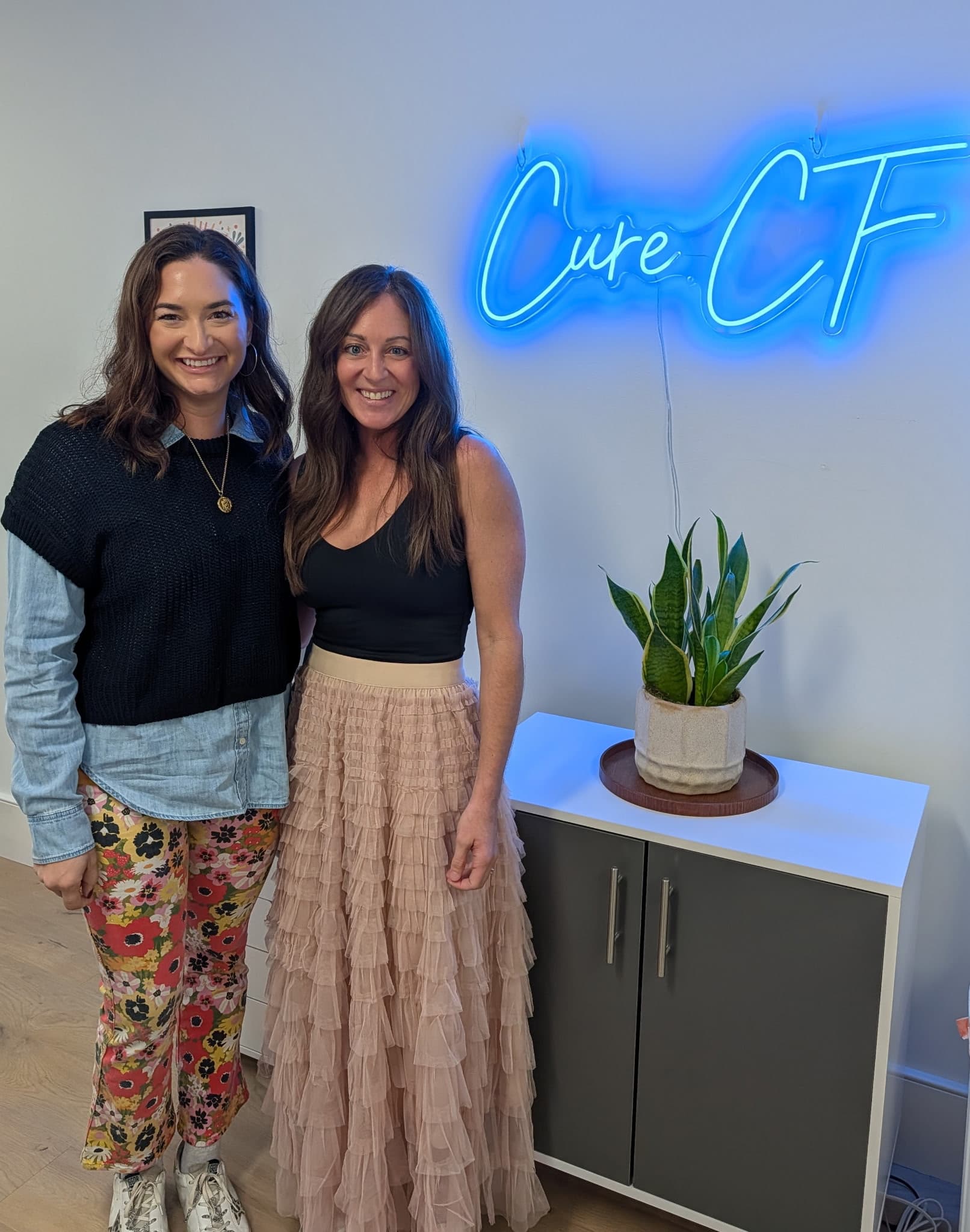
Contributing Writer, CF Bites Foundation · April 15, 2026
For most people with cystic fibrosis in 2026, the treatment conversation centers on CFTR modulators - Trikafta, ALYFTREK, and the expanded labels that now cover 95% of CF patients. But for the remaining 5–10%, particularly those with the G542X mutation and similar "nonsense" mutations, the conversation has been much shorter. Until now.
New research published in April 2026 describes a gene therapy approach using lipid nanoparticles to deliver CRISPR gene-editing machinery directly to CF airway cells - and the results in the lab have been striking: 88 to 100% of chloride channel function restored in cells carrying the G542X mutation, despite gene correction in only 3–4% of cells.
Understanding the G542X Mutation
The G542X mutation is one of the most common rare CF mutations - meaning it appears frequently among the subset of CF patients who can't use modulators. It is a "nonsense" mutation, which means it produces a premature stop codon in the CFTR gene, causing the cell to stop making the protein too early. The result: little or no functional CFTR protein is produced at all. Drugs that work by modifying CFTR protein have nothing to work with.
This is why gene therapy - which bypasses the defective gene and delivers a working copy directly - is the most promising approach for this population.
How the Nanoparticle System Works
The research team used lipid nanoparticles - the same type of carrier used in mRNA vaccines - to deliver CRISPR/Cas9 gene-editing machinery into CF airway cells. Once inside, the CRISPR system made a targeted edit, inserting a correct copy of the CFTR gene at a specific location in the cell's genome.
Here is what makes the results particularly significant: only 3–4% of cells were successfully edited. Yet across the cell population, 88–100% of chloride channel function was restored. This means a relatively small number of corrected cells can have a disproportionately large functional impact - a phenomenon that researchers believe relates to how CFTR function distributes across airway tissue. You don't need to fix every cell. You need to fix enough of them.
What Comes Next
These results come from lab-grown airway cells - an important step, but still one step removed from clinical trials. Translating nanoparticle delivery to living human lungs, with all their immune responses and physiological complexity, is the next challenge. Researchers will need to demonstrate that the nanoparticle system can be inhaled safely, that edits persist over time, and that the CRISPR machinery doesn't produce off-target effects.
None of that is simple. But the 88–100% functional restoration figure gives researchers a target worth pursuing - and patients a reason to stay engaged with the research pipeline.
Why This Research Matters to CF Bites
When Taylor Lentz founded CF Bites Foundation after her daughter Aubin's diagnosis, one of the core commitments was to fund research that reaches every CF patient - not just the ones for whom current drugs already work. The CFF's investment in gene therapy, mRNA therapies, and next-generation approaches is exactly that: a refusal to declare victory while anyone is still left behind.
The research pipeline is full right now. And it got that way because communities like ours kept showing up.
About the Author
Nicole GordonContributing Writer, CF Bites Foundation
Nicole Gordon is a Charleston-based writer and advocate who covers cystic fibrosis research, patient stories, and nonprofit community building. She has followed the CF Bites Foundation since its founding and brings a personal commitment to making CF science accessible and actionable for patients, families, and donors.
Keep Reading
More from CF Bites Blog
Help Fund the Research
Every dollar raised by CF Bites goes directly to the Cystic Fibrosis Foundation - funding the research you just read about.